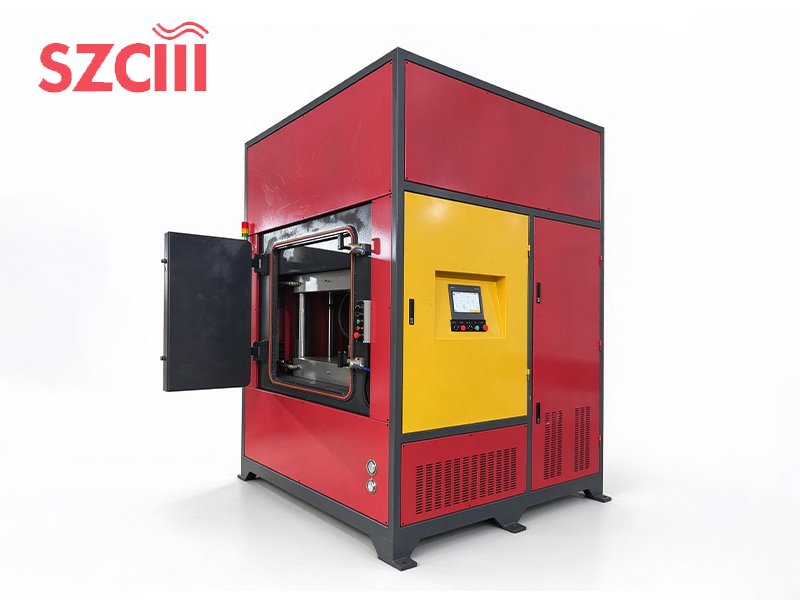
Industrial Autoclave
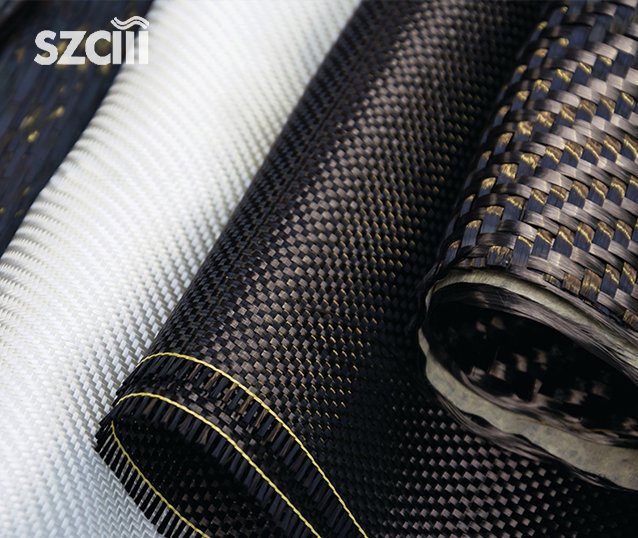
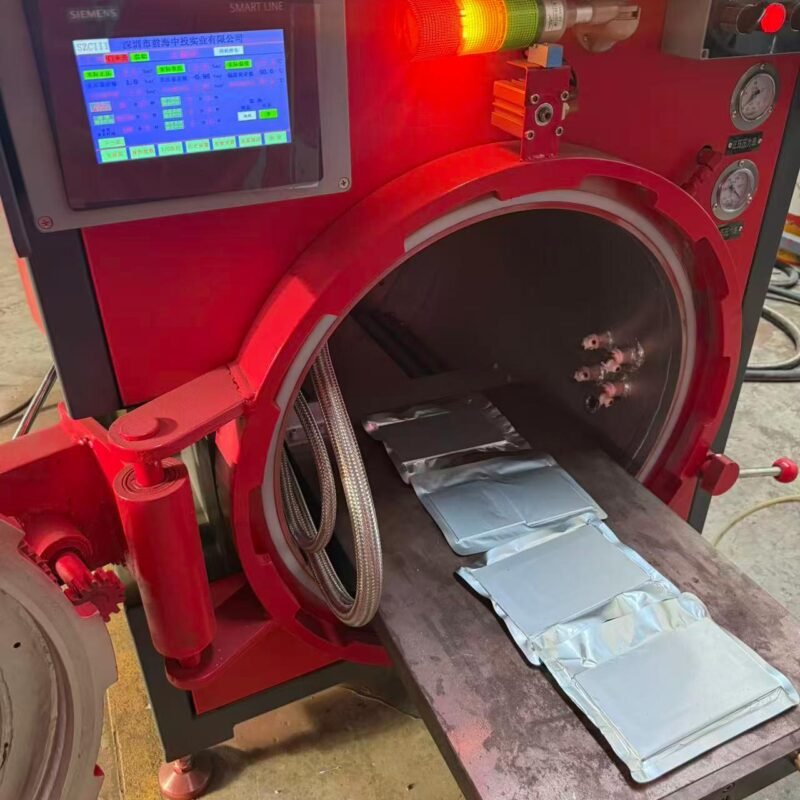
Autoclave manufacturing is a high-precision composite production process widely used in advanced carbon fiber engineering applications. It plays a critical role in the production of structural components requiring high mechanical strength, low void content, and excellent surface finish quality.
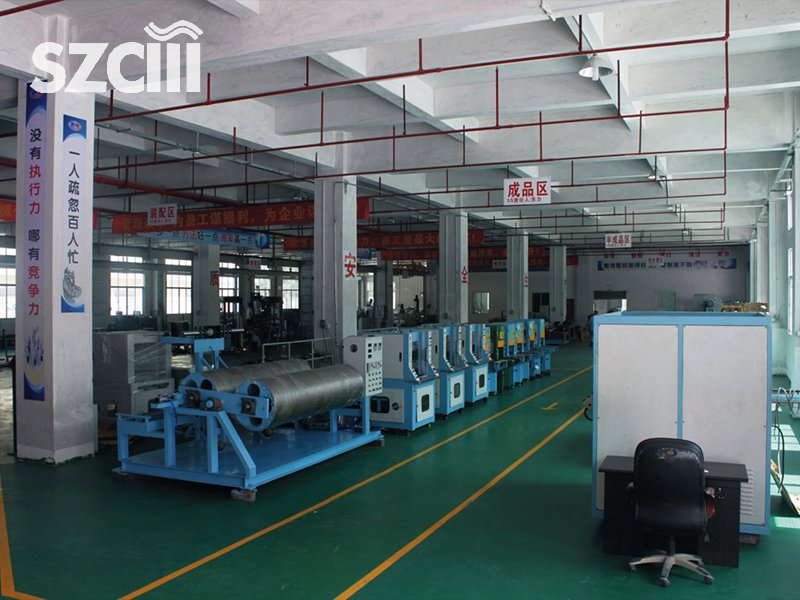
Our company operates a fully integrated autoclave curing system as part of a complete carbon fiber production chain, ensuring full in-house control from raw material preparation to final composite finishing.
Autoclave Manufacturing
Role of Autoclave Manufacturing in Carbon Fiber Production
Autoclave curing is a core process in carbon fiber composite production systems. It is particularly important in applications where structural reliability and surface precision are critical.
In carbon fiber autoclave manufacturing, prepreg materials are cured under controlled pressure and temperature conditions, allowing the resin system to fully crosslink while maintaining fiber alignment.
This results in high-performance composite structures with minimal defects.
Carbon Fiber Autoclave Manufacturing Characteristics
Carbon fiber autoclave curing is distinguished by its ability to produce complex structural parts with high mechanical consistency. The process ensures uniform heat transfer and pressure distribution, which significantly reduces internal voids and enhances bonding between fiber layers.
Composite Autoclave Manufacturing Advantages
Composite autoclave manufacturing provides superior performance compared to non-autoclave processes such as compression molding or open curing systems.
Advantages include:
Improved structural integrity
Enhanced fatigue resistance
Greater dimensional stability
Higher reliability in critical applications
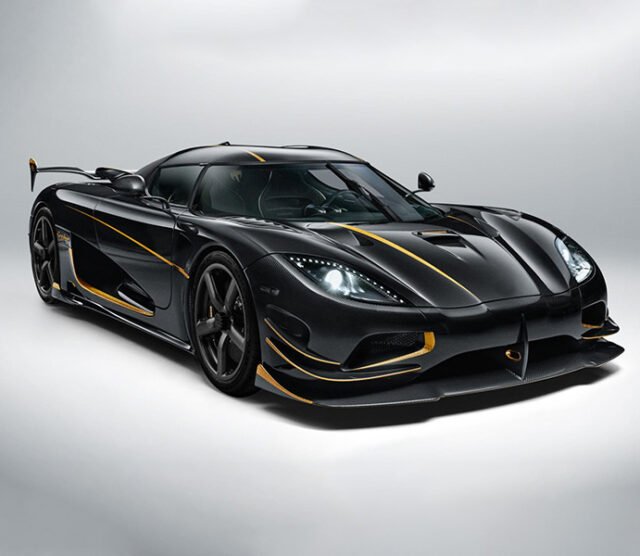
This makes composite autoclave molding particularly suitable for aerospace-grade and high-performance automotive components.
Industrial Autoclave System Specifications
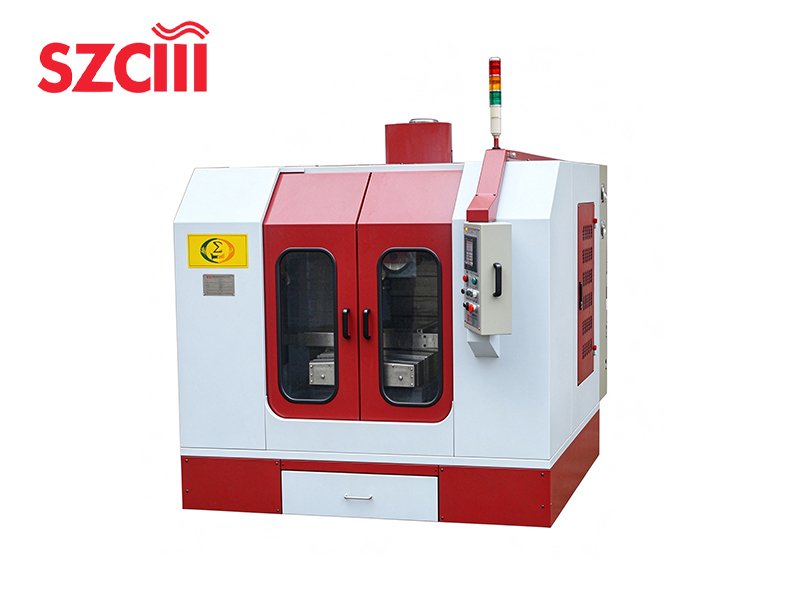
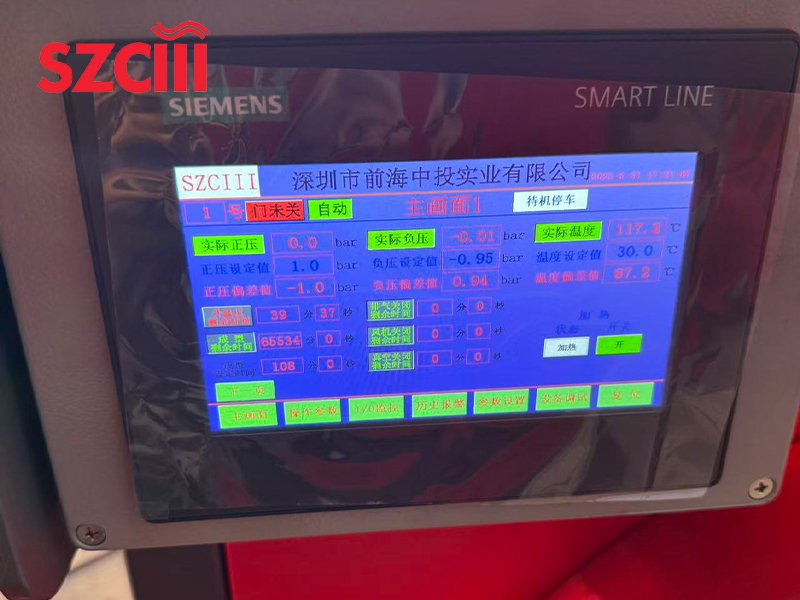
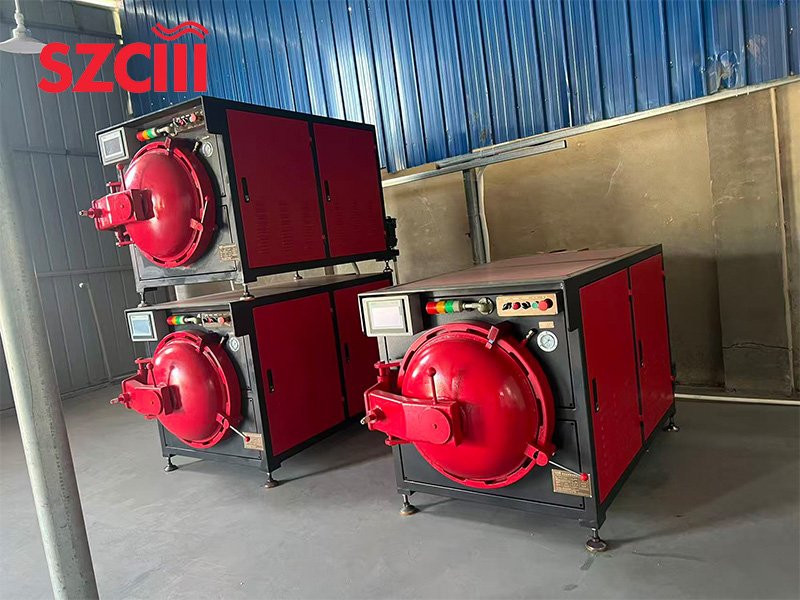
Small-sized Composite Autoclave
Compact lab‑grade autoclave for composite R&D, pilot trials and small‑batch curing.
Medium-sized Composite Autoclave
Mid‑capacity industrial autoclave for serial production of medium‑size composite workpieces.
Large Composite Autoclave
Heavy‑duty autoclave for oversized structural composite components.
Aerospace & Rail Transit Applications
- - Spacecraft payload brackets and protective fairings
- - Aircraft stabilizer skins and engine nacelle components
- - Lightweight rail carriage shells and underframe fittings
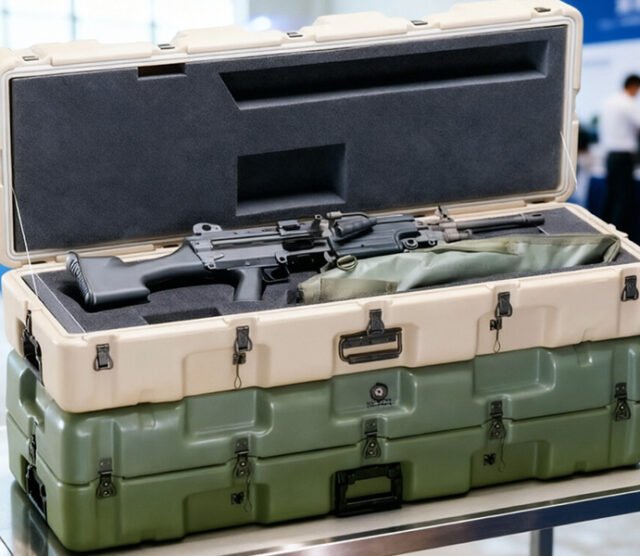
Industrial & Defense Applications
- - Tactical lightweight composite armor panels
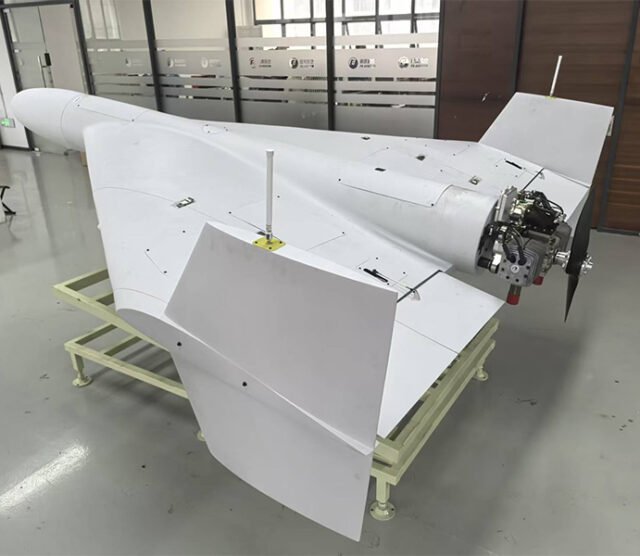
- - Unmanned aircraft primary load-bearing frameworks
- - Precision optical benches and semiconductor support structures
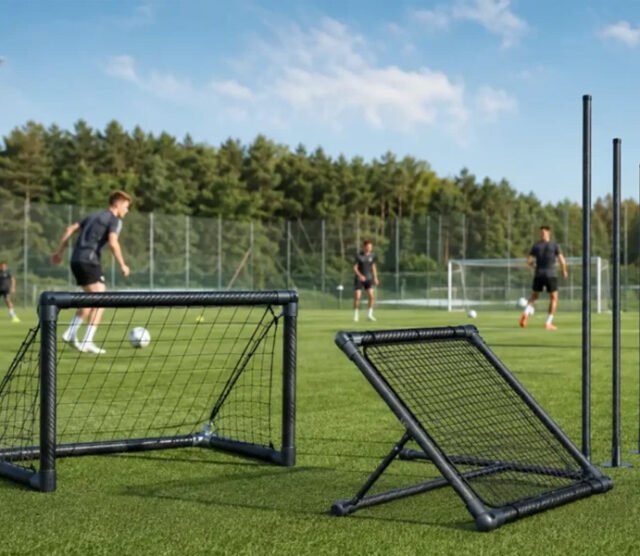
Sports & Leisure Goods Applications
- - Competition sailing spars and hull structures
- - Carbon fiber cycling frames and wheel assemblies
- - High-end ski boards, paddle blades and archery limbs
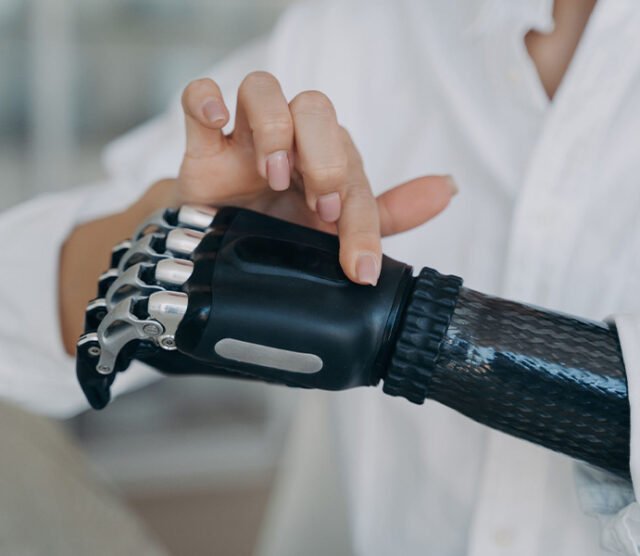
Medical Equipment Applications
- - Lightweight surgical support structures
- - Carbon fiber prosthetic sockets and orthosis frames
- - CT & MRI scanner patient beds and equipment housings
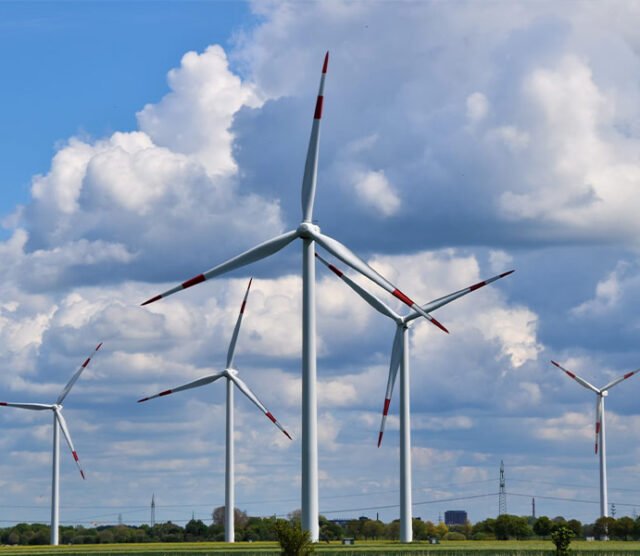
New Energy Applications
- - Carbon fiber hydrogen storage pressure vessels
- - High-performance offshore wind turbine blade components
- - Insulation and structural frames for power generation equipment
Marine Applications
- - High-speed racing boat structural components
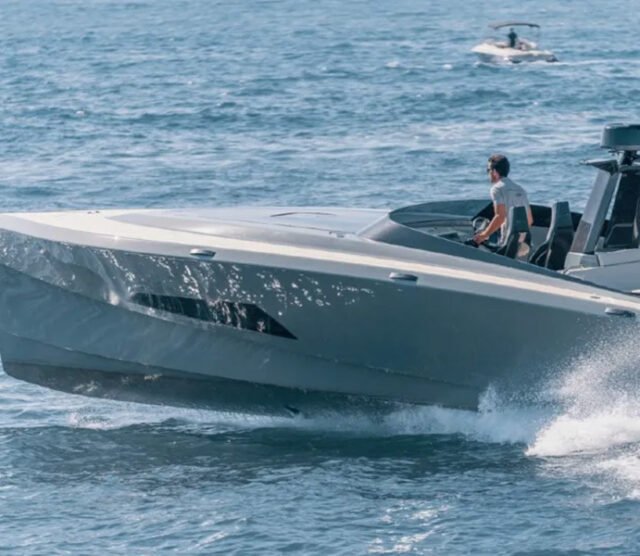
- - Luxury carbon fiber yacht hulls, decks and masts
- - Sonar domes and naval lightweight superstructure panels
Got Questions? We’ve Got Answers!
Contact Us for Autoclave Manufacturing Solutions
Send your technical drawings or project requirements to receive detailed engineering evaluation and composite manufacturing solutions tailored to your application.
Q1: What is autoclave manufacturing in carbon fiber production?
In carbon fiber manufacturing, this process ensures low void content, high structural integrity, and superior surface quality compared to non-autoclave processes.
Q2: What is the difference between autoclave manufacturing and compression molding?
Autoclave systems generally provide higher structural performance, lower porosity, and better surface finish, making them suitable for aerospace-grade composite applications.
Q3: What is carbon fiber autoclave manufacturing used for?
Typical applications include automotive body panels, aerospace structures, marine components, and industrial equipment housings.
Q4: Do you provide full in-house carbon fiber manufacturing?
Q5: Can I send my CAD file for manufacturability evaluation?
Q6: What is the typical size or capability of your autoclave system?
Exact specifications depend on project requirements and component design.
SZCIII Equipment
Is Present In
More Than
SHENZHEN QIANHAI INVESTMENT INDUSTRIAL CO, LTD.
Mon – Sun: 8.30am – 18.00pm